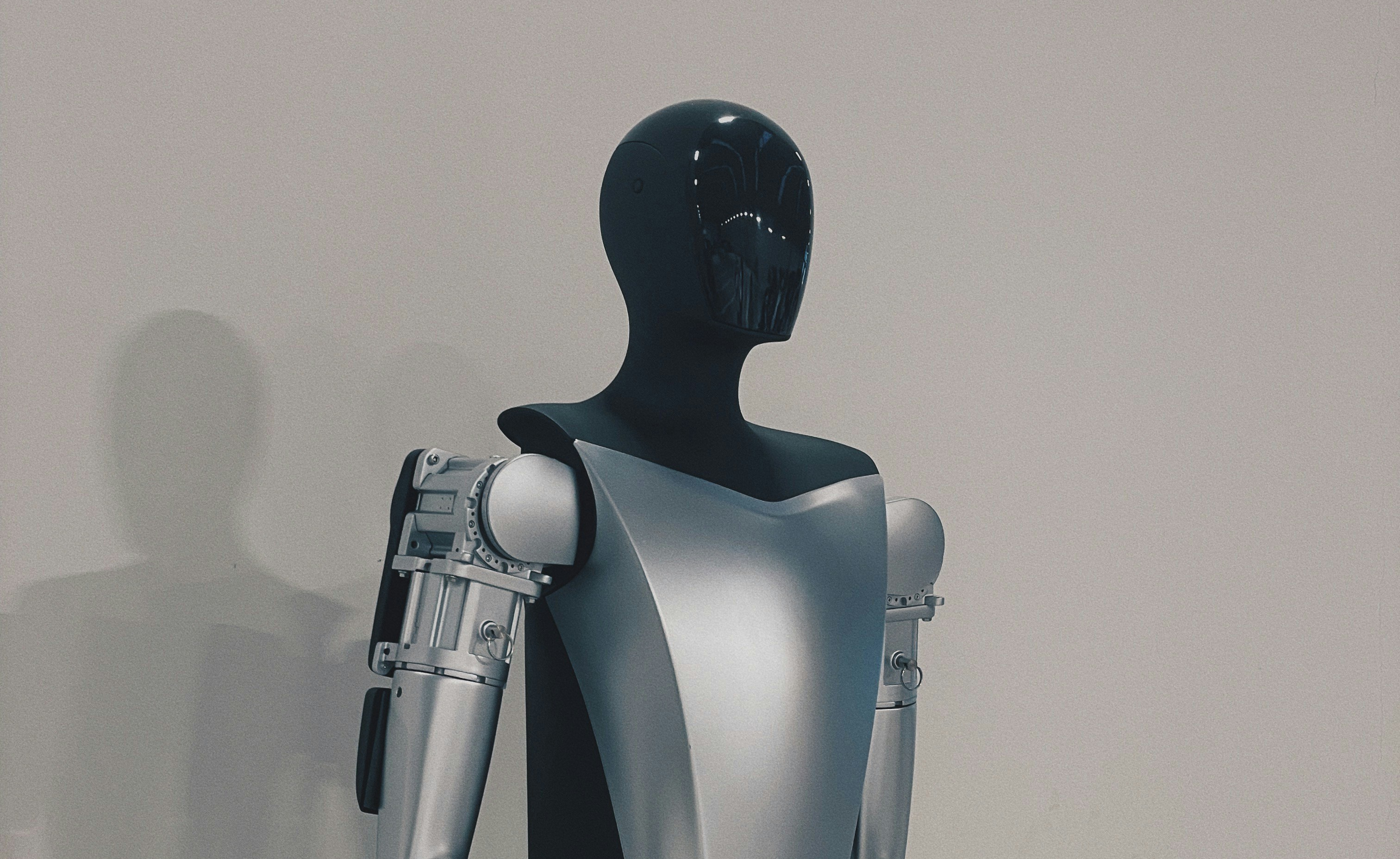
Tesla’s Optimus humanoid robot is on a journey to become a central part of our daily lives, both at home and in the workplace. The company has been rapidly advancing the technology, with a focus on creating a robot that can handle tasks that are boring, repetitive, or dangerous for humans.[1] Early prototypes demonstrated basic walking and object sorting, while more recent versions have shown impressive dexterity and autonomy.[3] The upcoming Optimus Gen 3, expected to enter limited production in 2025, promises to be a significant leap forward in this evolution, with a broader rollout planned for 2026.[4]
Key Features and Specifications
The Optimus Gen 3 is designed to be roughly the size and weight of a human, with a height of around 1.73 metres (5 ft 8 in) and a weight of approximately 57 kg (125 lbs). Its design is built to be adaptable to human environments, allowing it to navigate and interact with the world with ease. The robot’s core is its “Bot Brain,” powered by a Tesla System-on-Chip that uses the same AI as the company’s Full Self-Driving vehicles. This system allows the robot to perceive its surroundings using a suite of cameras and sensors, without relying on LiDAR.[3]
A key area of development is the robot’s hands, which have a high degree of freedom and advanced tactile sensors that enable them to perform delicate tasks, such as handling eggs or giving a massage.[3] The robot has a carrying capacity of around 20 kg (45 lbs) and can deadlift up to 68 kg (150 lbs).[1] The planned improvements for Gen 3 are ambitious, with goals for faster walking speeds, enhanced battery life, and near-perfect facial recognition and navigation accuracy.
A notable new feature is the planned addition of an OLED face display, which would enable the robot to communicate and display information in a more human-like way, a feature not seen in most other humanoid robots. The training strategy for the robot has also evolved, moving away from motion capture suits and towards a vision-only approach, which is expected to help Tesla scale data collection more quickly.[5]
Applications in the Workplace
One of the primary applications for Optimus is in the workplace, where it could revolutionise industries by taking on dangerous, repetitive, and mundane tasks. In manufacturing, the robot is envisioned to assist with a wide range of tasks, from material handling and assembly to quality control and welding.[1] For instance, a study on its use in assembly lines showed that it could reduce manual assembly time by up to 75%.[2] This could help address global labour shortages and create a safer, more efficient working environment by allowing humans to focus on more complex and creative tasks.[3] The ability to work alongside humans in a coordinated manner is also a key part of its design.
Potential for Home and Domestic Use
Beyond the factory floor, Tesla envisions the Optimus robot as a “next-gen homemaker” that could assist with a variety of domestic chores. With its advanced capabilities, it could handle tasks like cleaning, folding laundry, and even preparing meals. The robot’s ability to navigate complex, unstructured environments and learn from its experiences could make it a valuable companion for families, providing assistance with everything from simple errands to helping with elder care.[1] The idea is that for a one-time cost, a robot could save humans a significant amount of time, energy, and money.[6]
Pricing and Future Outlook
The price of the Optimus robot has been a topic of much speculation, but Elon Musk has consistently stated that it will be significantly more affordable than a car.[4] Initial estimates put the price between 20,000 USD and 30,000 USD, but more recent reports have suggested a starting price of around 18,999 USD.[5] This aggressive pricing strategy is aimed at making the robot accessible for widespread adoption.[3]
While a full rollout for consumers is still some time away, with limited production in 2025 and a broader rollout potentially in 2026, the potential for Optimus to become a transformative product is high.[4] Musk has even suggested that the value of the robot business could eventually surpass Tesla’s vehicle business.[3] While some critics remain sceptical of the ambitious timelines, the rapid progress shown in recent prototypes suggests a future where humanoid robots could be a common sight in our homes and workplaces.
References
- Tesla Bot a.k.a Optimus. ⧉
- Tesla Bot Optimus – General Purpose Humanoid Robot. ⧉
- A Complete Review Of Tesla's Optimus Robot. ⧉
- Elon Musk gives update on Tesla humanoid robot launch timeline. ⧉
- It Happened! Elon Musk Reviews $18999 Tesla Bot Gen 3 HUGE Update! Shocking Details! ⧉
- 2026 Tesla Optimus V3.5 Finally Has BIG Upgrade Skills! Elon Musk SHOCKED All Company! ⧉